What does it mean to sell a house for cash?
A cash sale simply means the buyer is not relying on a mortgage to fund the purchase. The money already exists, so there is no lender valuation to satisfy, no mortgage offer to wait for and no lender able to withdraw late in the process. For the seller, that removes the single most common reason property sales fall through.
It does not mean cash changes hands in the everyday sense. Funds are transferred between solicitors on completion in exactly the same way as any other sale, and the conveyancing, including contracts, searches, enquiries, exchange and completion, still applies in full. The main difference is that several stages of a traditional sale are removed. There is no mortgage lender involved on the buyer's side, no estate agent marketing period and no need to wait for an open market sale. There is also no onward chain above the buyer.
House Buying Experts considers properties for direct purchase. We are the buyer rather than a middleman passing your details to a panel, so the party assessing your property is the party intending to buy it.
How a cash house sale works
The process is deliberately short. You tell us the address, the rough condition of the property and anything relevant about your situation. We research the property, recent local sold prices and current demand in the area, and arrange an inspection where one is needed. We then make an offer and explain how we arrived at the figure so you can judge it against anything else you have been quoted.
If you accept, solicitors are instructed on both sides and the legal work begins. You can use your own solicitor. Nothing is binding on either party until contracts are exchanged, so you retain the right to change your mind. You can see the same process broken down stage by stage on how it works, or go straight to the free cash offer form.
Free, confidential and with no obligation to sell.
How quickly can a cash sale complete?
Once an offer is agreed, the timeline is governed by the conveyancing rather than by us. Local authority searches, the state of the title, leasehold management packs where relevant and redeeming any mortgage are the usual determining factors. A straightforward freehold sale with clean title tends to move quickly. Leasehold, probate or title complications take longer.
What a cash purchase removes is everything that normally sits in front of the legal work. You do not need to find a buyer, wait for their mortgage or wait for their own sale to proceed. We will not quote a guaranteed number of days, and we would be cautious of any cash house buyer who does. Instead we agree a target completion date with you and your solicitor, whether that is as soon as practical or several months out to fit around a move. If speed is your main concern, selling your house fast covers the timing question in more depth.
How a cash offer for your house is calculated
We start with the property's likely value on the open market, based on comparable local sales and current demand. We then account for condition. That might be a dated kitchen, damp, structural work or a full renovation. We also allow for the costs of holding, insuring and refurbishing a property. Finally we factor in the speed and certainty a direct purchase provides, and the fact that we buy as it stands with no conditions about repairs or clearance.
When we put the offer to you we explain each of those elements rather than presenting a number in isolation. If the figure does not work for you, say so. You are under no obligation and there is no penalty for declining.
Do cash buyers pay below market value?
Generally, yes. Any cash buyer for property who tells you otherwise deserves close scrutiny. A direct purchase is priced for what it provides: certainty, a chosen completion date and no requirement to prepare the property for sale.
The honest comparison is not the offer against the asking price, but the offer against what an open market sale would actually net you. Estate agent commission comes off the headline figure. So do months of mortgage payments, council tax, insurance and utilities on a property you no longer want. Then there are any repairs or clearance a mortgaged buyer would insist on. On top of that, there is the risk that the sale falls through and the process restarts. For some sellers the open market still works out better. For others a direct sale does. Both outcomes are legitimate, and we would rather you did the sum properly than accept an offer you later regret.
Selling a house that needs repairs for cash
Condition is one of the most common reasons homeowners look at a cash sale. Mortgage lenders can refuse to lend on properties with serious damp, subsidence, structural movement, no functioning kitchen or bathroom, or certain types of construction that fall outside standard lending criteria. That removes most buyers on the open market immediately.
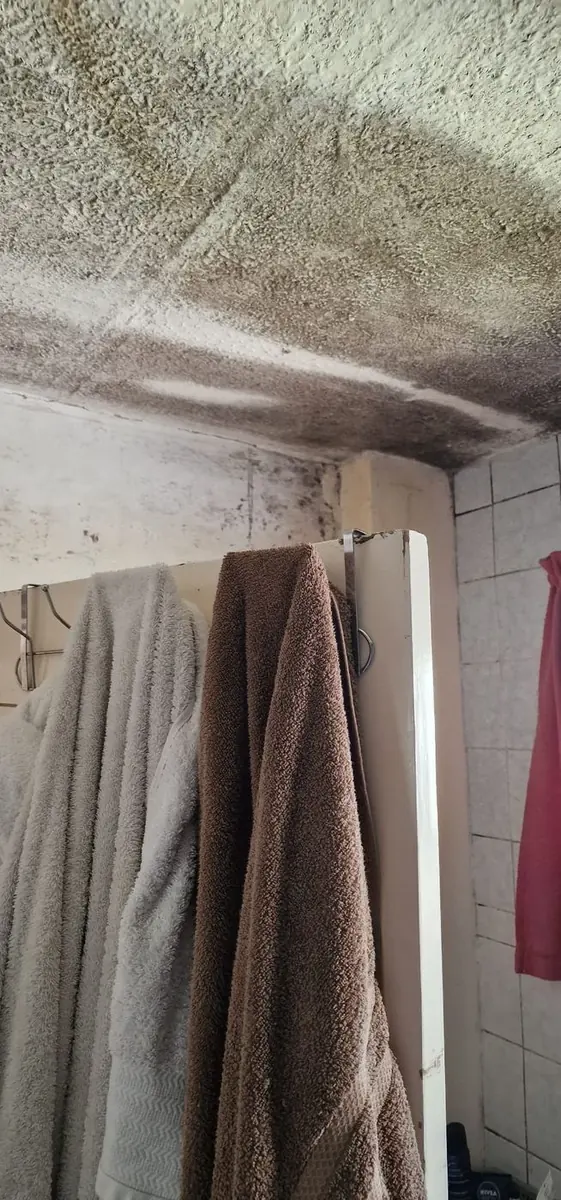
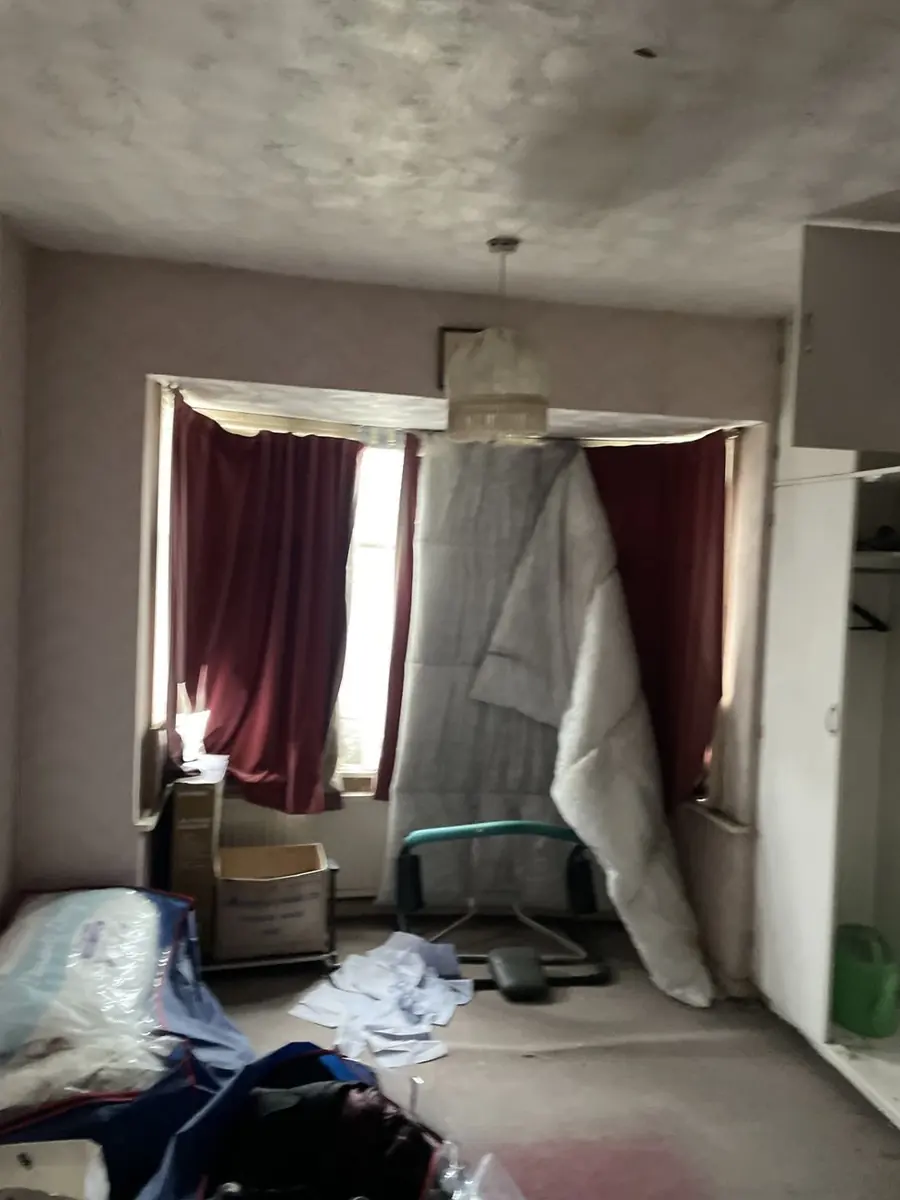
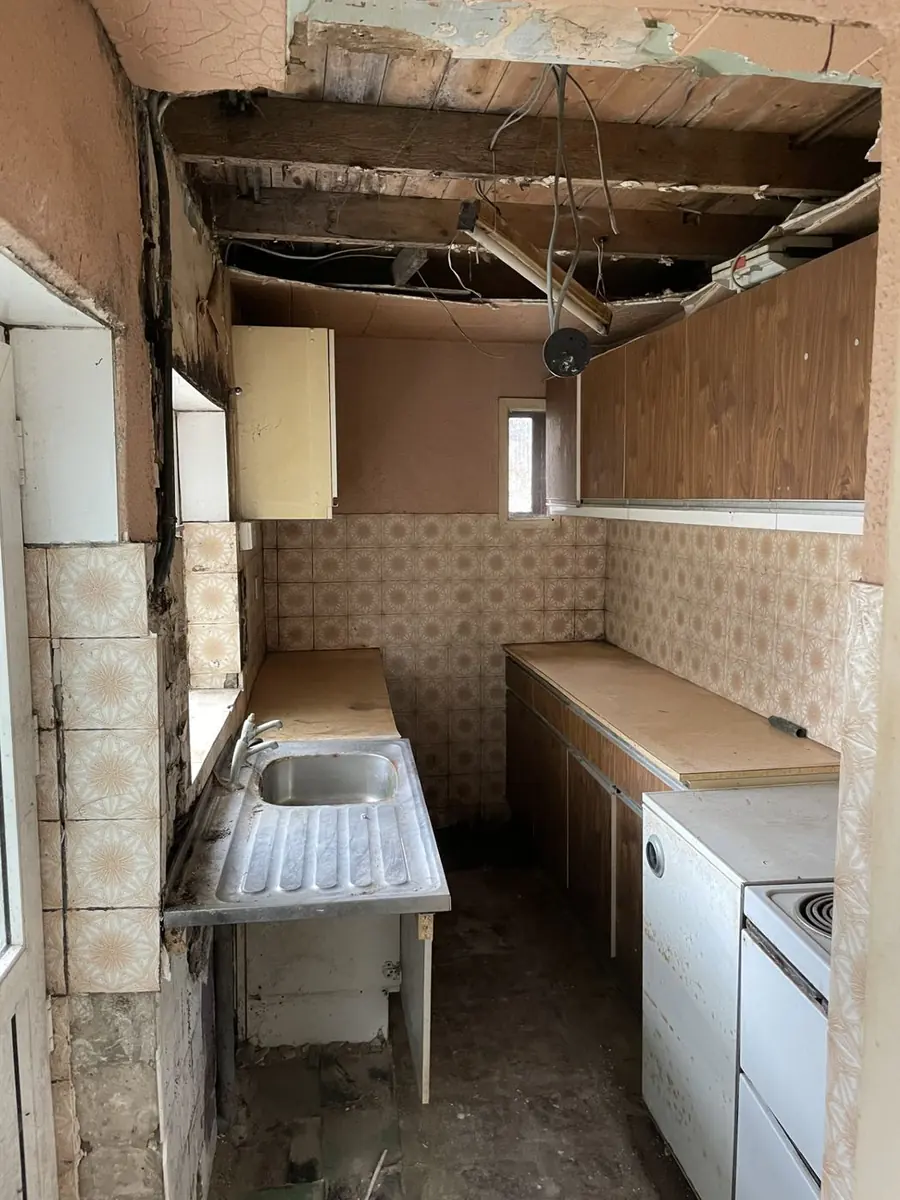
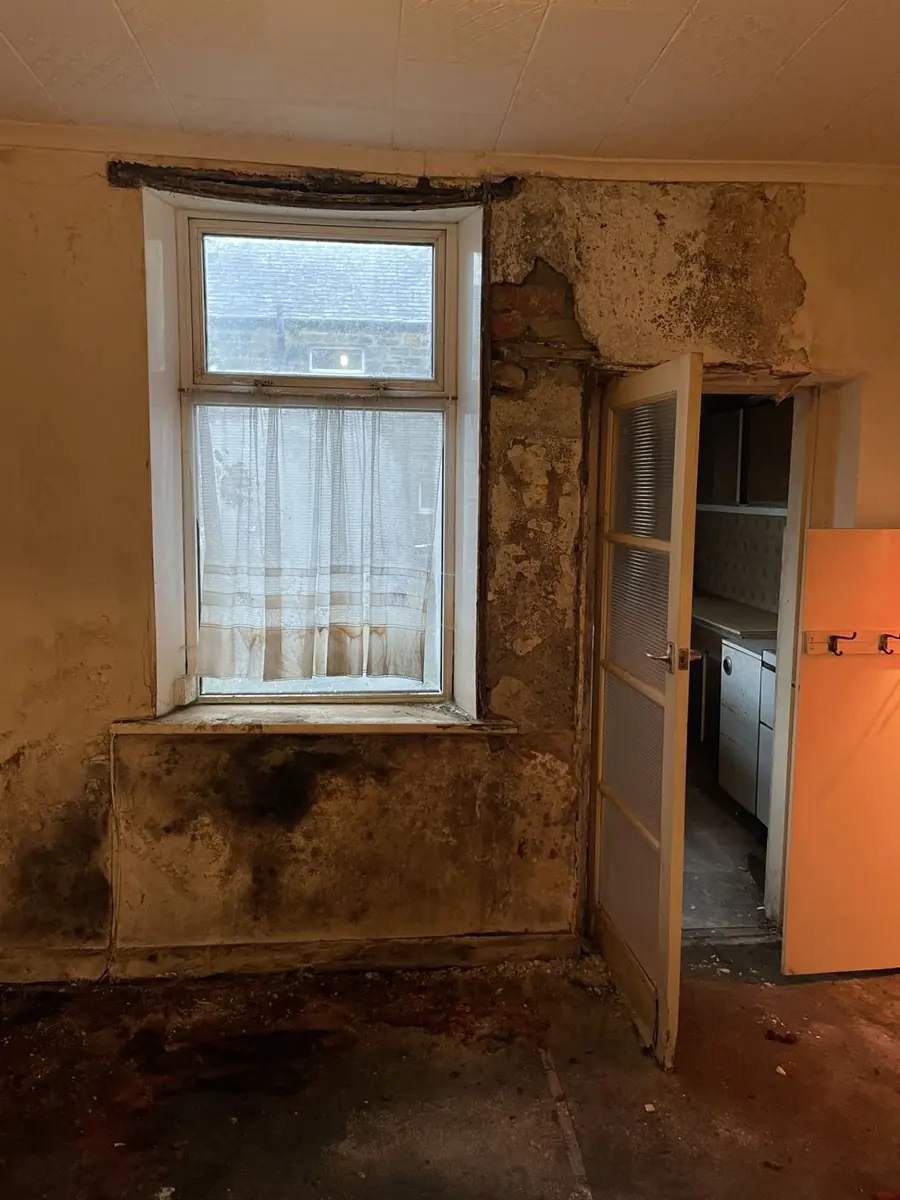
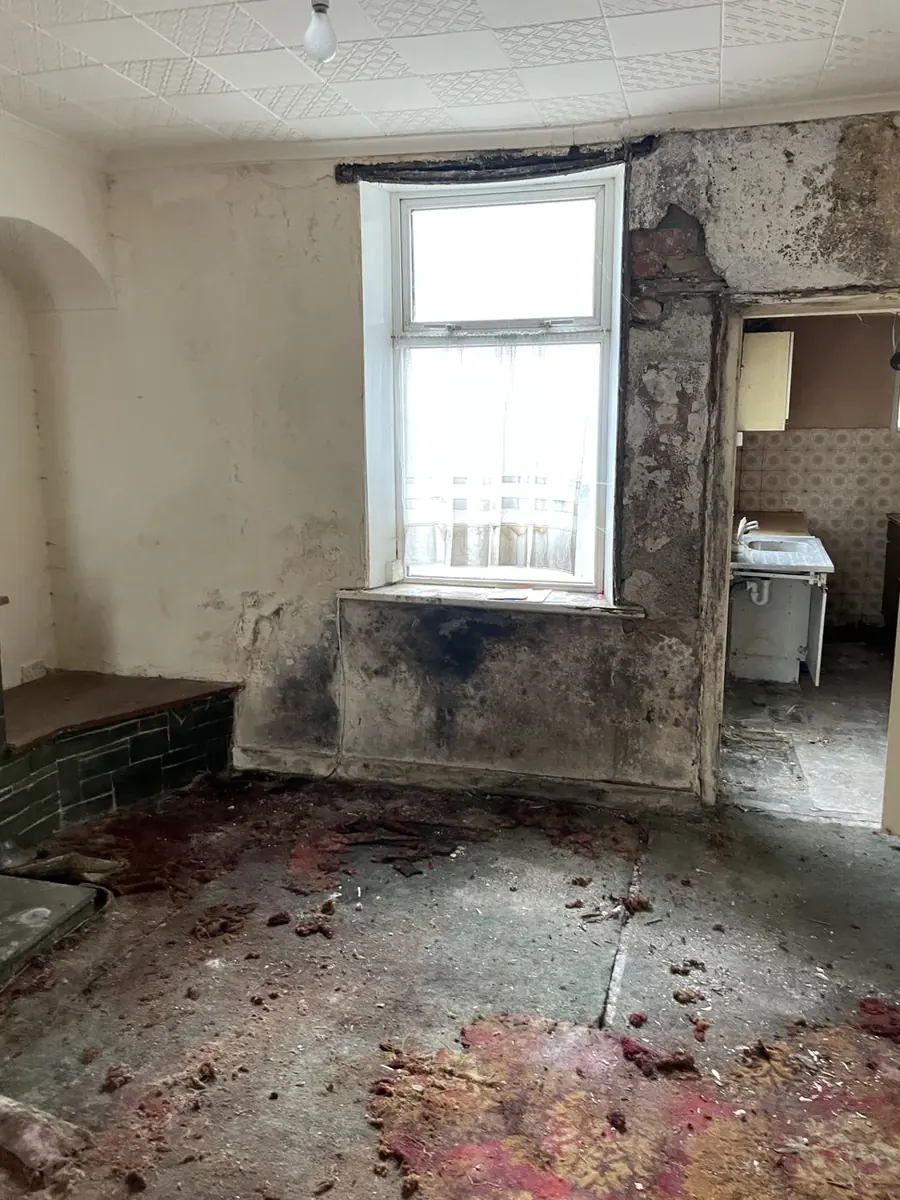
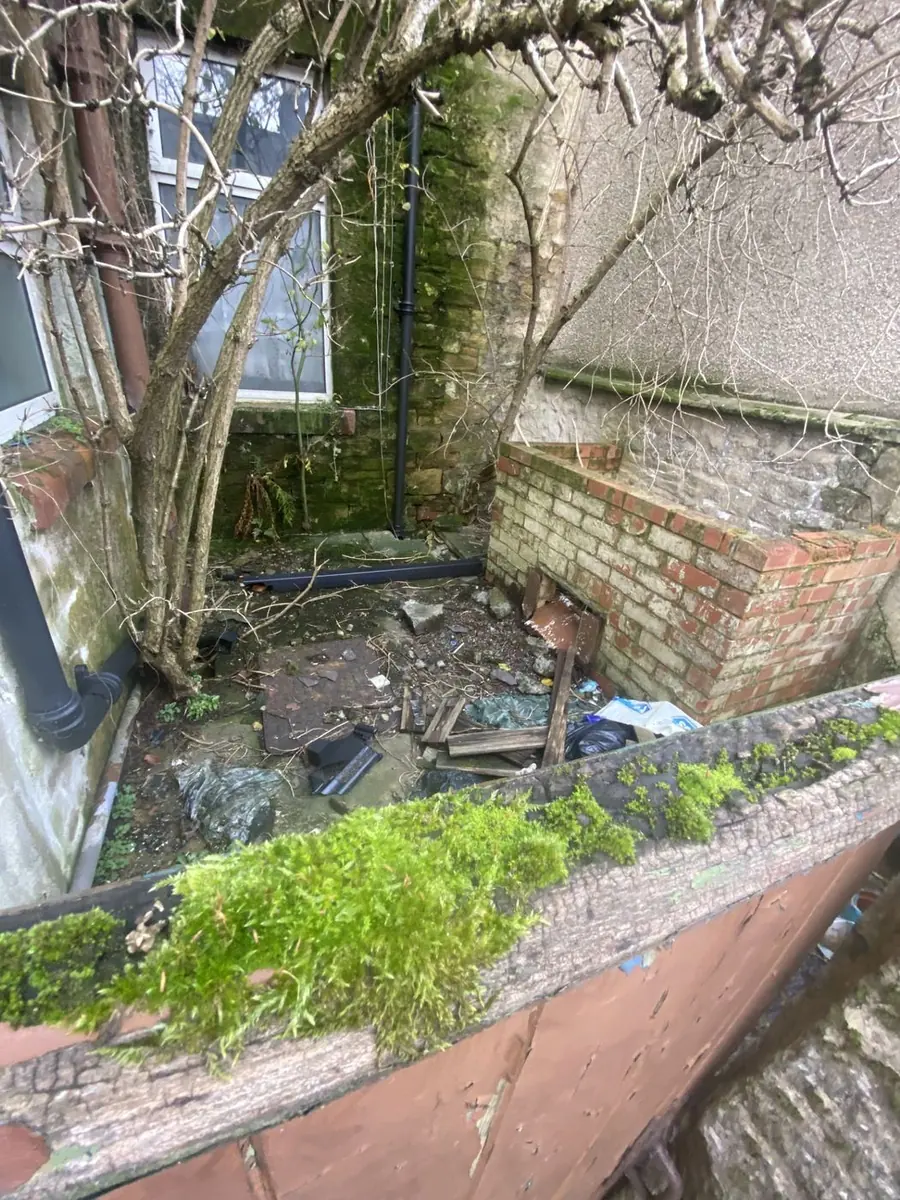
We consider properties in almost any condition, including homes with damp, mould, dated interiors, fire or water damage, overgrown gardens or belongings still inside. There is no requirement to repair, redecorate or clear anything first. The photographs on this site are of real properties we have bought. Selling a house that needs repairs goes into more detail, and selling a house that won't sell may help if the property has been on the market without offers.
Selling an inherited property for cash
An inherited house often carries running costs from the day it is inherited. Insurance may be restricted while the property is empty. Council tax usually becomes payable once any exemption period ends. There is maintenance to arrange, and the practical difficulty of managing a property from another part of the country. Where beneficiaries want a clean division of proceeds, a direct sale can be simpler than a lengthy marketing period.
We regularly buy inherited properties, including those still full of belongings. Your solicitor will confirm who has authority to sell and what needs to be in place before exchange.
Selling during probate
Where probate is required, a sale cannot complete until the grant of probate or letters of administration have been issued. You can still request an offer beforehand and have everything ready, so the legal work moves as soon as the grant arrives rather than starting from scratch.
Executors have duties to the estate and its beneficiaries, including obtaining a reasonable price, so it is sensible to hold an independent valuation alongside any cash offer. Our page on selling during probate explains the sequence in more detail.
Selling a house with tenants for cash
Tenanted properties are often difficult to sell on the open market, because most buyers want vacant possession and most residential lenders will not lend on an occupied property. A direct sale can work either with tenants staying in place or with the tenancy ended first, depending on what suits everyone.
What matters is the paperwork. That includes the tenancy agreement, deposit protection, rent record, gas and electrical safety certificates and the notice position. Tenants keep their legal rights when ownership changes, and your solicitor will confirm what is needed. See selling a house with tenants if you are a landlord considering an exit.
Selling during divorce or separation
When a relationship ends, the property is frequently the largest shared asset and the hardest to divide. A drawn-out sale on the open market can prolong a difficult situation and leave both parties tied to a joint mortgage for longer than either wants.
A direct sale gives a known figure and a completion date both parties can plan around. Both legal owners must agree to the sale, and each should take their own legal advice. Our page on selling during divorce sets out the practical considerations.
Selling without an estate agent
In a direct sale there is no listing, no marketing photography, no accompanied viewings and no commission deducted on completion. You deal with the buyer, and each side instructs a solicitor. You should always take independent legal advice before agreeing to a sale.
That said, an estate agent exists for a reason: competitive exposure is how you achieve the highest possible price. If your property is in good order, you are not under time pressure and price is your priority, an agent is very likely the better route. Selling without an estate agent sets out both sides fairly.
Cash house buyer vs estate agent
An estate agent sale aims for the highest achievable price, and typically involves preparing the property, marketing, viewings, an offer subject to survey and mortgage, and a chain that may extend several links in either direction. The price is higher. The certainty and the timescale are not in your control.
A cash buyer offers a known figure, no fees to you, no viewings, no chain and a completion date agreed between you. The price is lower. Neither is universally right. The correct choice depends on whether price or certainty matters more in your specific circumstances.
Cash buyer vs property auction
Auction is the other common route for properties that are hard to mortgage. Its strength is that the fall of the hammer creates a binding contract with a fixed completion deadline. Its weaknesses are that you pay entry and commission fees, you wait for the next suitable auction date, and the final price is unknown until the day. If the bidding is weak, the lot may sell well below your reserve. If interest is low, it may not sell at all.
A direct cash sale gives you the figure up front, with no fees to you and a completion date agreed rather than imposed. Auction can outperform it where a property attracts genuine competitive interest from investors. It can equally leave you weeks further on with an unsold lot and fees to pay. Our guide to selling a house at auction explains the fees, the reserve price and the two auction methods in more detail.
Advantages and disadvantages of selling for cash
The advantages are clear. You get certainty of funds. There is no chain, no estate agent fees or commission charged to you, no viewings and no need to repair or clear the property. You also have a completion date you help choose. For a property that is hard to mortgage, a cash sale may also be one of very few realistic routes to a sale.
The disadvantages are equally clear. The offer is normally below the asking price you could expect on the open market. You do not find out what a competitive market might have paid. And the sector contains firms that behave badly. Some quote a headline figure and reduce it shortly before exchange. Some charge fees. Some tie sellers into exclusivity agreements. Knowing what to look for matters as much as the number itself.
Free, confidential and with no obligation to sell.
What happens after you request a cash offer
You submit the address, property details and a little about your circumstances. We research the property and its local market, may call you to clarify anything unclear, and arrange an inspection where one is needed. We then present the offer with the reasoning behind it.
If you accept, both sides instruct solicitors and the conveyancing begins, working towards the completion date you have agreed. If you decline, or want time to think or compare, that is entirely fine. Your details are used to assess the property and to contact you about your enquiry. We do not sell enquiries on to third parties.
Questions to ask any cash house buyer
Ask whether they are buying the property themselves or passing your details to someone else, and how the purchase is funded. Ask whether any fee will be charged to you at any stage. Ask whether the offer is subject to survey or inspection, and in what circumstances the figure could change.
Ask whether you will be required to sign an exclusivity or option agreement, and what happens if you change your mind. Ask for the offer and the process in writing, and ask for the company details so you can check them at Companies House. A buyer who is straightforward about all of this will not mind the questions.
What to check before accepting a cash offer
Get at least one estate agent valuation so you can see the gap clearly. Then deduct what an open market sale would genuinely cost you. That includes commission, months of bills and mortgage payments, any repairs or clearance, and the risk of a chain collapsing. Compare net against net, not offer against asking price.
Have your own solicitor review everything before you commit. Do not use a solicitor chosen for you by the buyer without considering whether that is in your interest. Check that the offer is not conditional in ways you have not understood, and take the time you need. A genuine offer will still be there after you have thought about it.